Back Shu Points: Wei Qi, the Pulse and the Overstimulated Patient
This course teaches you to calm a patient stuck in high gear. Two pulse signs show you the level, and you treat it with the back shu points and one Du Mai point between them.
Recorded in Polish, my native language, then translated into English and dubbed with an AI version of my own voice. English subtitles throughout.
- Understanding
- The back shu points through the energy of the Bladder meridian, and wei qi and ying qi as reaction and experience.
- The patient
- The patient stuck in high gear: how chronic wei qi agitation shows up in your clinic, and its Western correlate in the sympathetic nervous system.
- Treatment
- One level of back shu points chosen for this patient, and the signs on the table that wei qi has settled, often during the same visit.
In my catalog this course is $49. For practitioners it is free: all nine lessons, the table, the slides and the full session. Create a free account, no card is asked for, and it stays in your account for life.
The method in 22 minutes: six short lessons and a one-page table, plus the questions from the group, two background lessons and the full uncut session (46 minutes). English subtitles, slides and a written summary as PDFs.
What you take into the clinic
A clear choice of point
One level of back shu points chosen for the patient in front of you, not the whole row at once. A short treatment you add to the therapy you already give.
An explanation that holds together
Why the back shu points lie on the Bladder meridian, what wei qi and ying qi do in a patient, and how the row of back shu points lines up with the sympathetic outflow from T1 to L2.
A change you can see
What calm looks like on the table: the breath drops lower, the face softens, the patient says they feel warmer and looser. Not in every patient to the same degree; most clearly in patients you already treat with your main therapy.
What the course covers
Part 1 · The method in 22 minutes
- Start here · 1 minWhat you will be able to do after 22 minutes, and the order in which to watch.
- The patient stuck in high gear · 3 minHow chronic wei qi agitation shows up in your clinic: sleep, jaw, shoulders, and the treatment that works for two days.
- Two signs on the pulse · 6 minThe two pulse signs that tell you this is the patient for the method, and which level of the back to treat.
- Three needles on the back · 3 minOne level of back shu points and one Du Mai point between them. Where, and why so few.
- What changes, and how you check it · 3 minThe signs on the table that wei qi has settled, and the pulse re-check before the patient gets up.
- The table: from the pulse to the back shu point (PDF)One page: pulse sign on the left, the level and the points on the right.
- Questions from the group · 5 minDepth, timing, pregnancy, repeating the treatment, patients on medication, and how it sits next to your main therapy.
Part 2 · Background: why it works
- Why these points: the sympathetic segments T1 to L2 · 4 minSympathetic preganglionic cell bodies run from T1 to L2, and the row of back shu points of the yin organs lines up with them.
- The Bladder channel, wei qi and ying qi · 18 minThe Stems and Branches background of the channel the back shu points lie on, and wei qi and ying qi seen as reaction and experience.
Part 3 · The original session, uncut (46 min)
- The live webinar of October 22, 2026, in nine chaptersWhat this method is about · the Bladder meridian · back shu points, wei qi and ying qi · signs of balance after treatment · the sympathetic system · recognizing chronically stirred wei qi · the technique and why it works · questions and answers, parts 1 and 2.
Also included: the slides as a PDF, and a written summary of the lecture with descriptions and locations of the six back shu points of the yin organs.
From the course
Who teaches
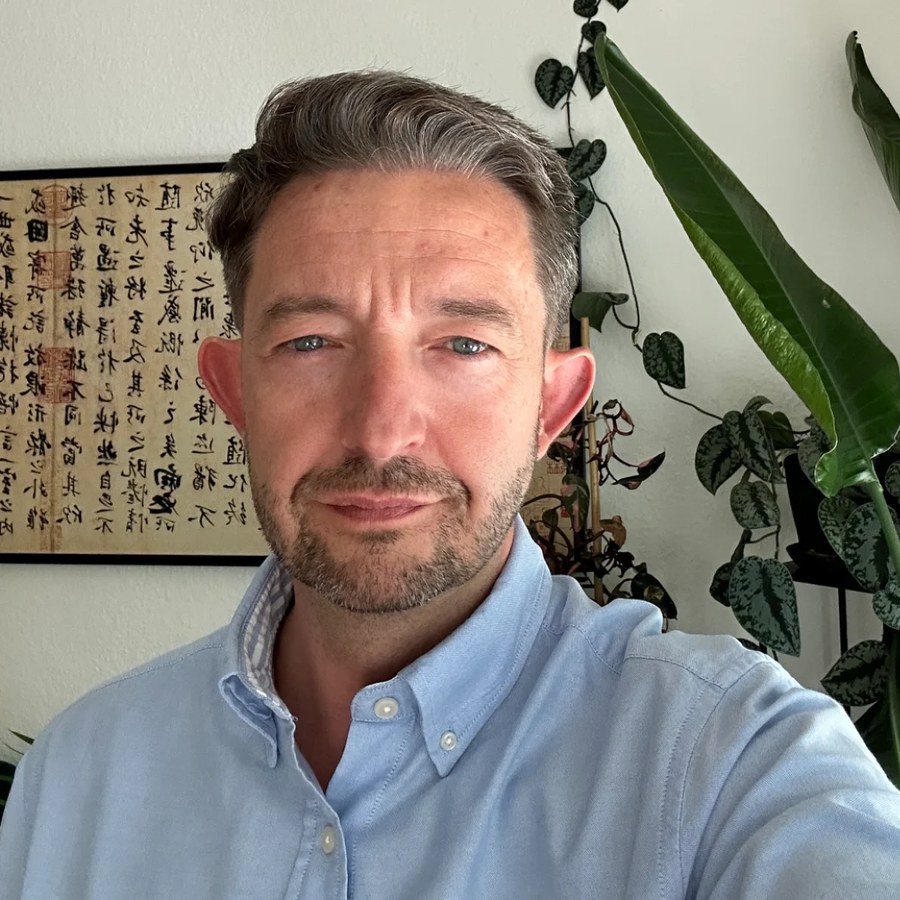
I am Michal Richter, MD. For 25 years I have practiced only acupuncture, 20 to 30 patients a day, in a busy clinic in Poland. I have taught practitioners since 2009, and I teach only what I use on my own patients.
This course is my live webinar for practitioners, held on October 22, 2026, with their questions answered on air.
Back Shu Points
- The method in 22 minutes: six short lessons and a one-page table
- The questions from the group, two background lessons and the full uncut session (46 minutes), English subtitles
- The slides and a written summary of the lecture as PDFs
- Lifetime access, no payment, no card
In my catalog this course is $49. For you it is free, with lifetime access. If you would rather get the lessons by email first, join the list and the same course comes to your inbox.
Questions practitioners ask
Is this a recorded webinar?
Yes. Nine lessons cut from a live webinar, with the slides in English and English subtitles. It has been translated and dubbed into English.
Does it replace my usual treatment?
No. It is a short treatment you add when the agitation stays after your main therapy.
Do I need Stems and Branches?
No. The method lessons stand on their own. The two Background lessons give the Stems and Branches view of the Bladder meridian for practitioners who want it.
How long do I have access?
Lifetime. One payment, no subscription.