Luo Points: Point Combinations and the Luo Cycle of Consciousness
Go beyond Luo points as points for emotions. Learn to see which stage of consciousness is out of balance in your patient, and treat it with the Luo point for that stage and five ways to combine it with other points.
- Understanding
- Luo points as a state of consciousness, not only emotions: Shen, how a person experiences life, and Xue, what they keep from it.
- The patient
- The twelve Luo meridians as stages of consciousness, from survival to life in a group to the mental level. What excess and deficiency of each look like in a patient.
- Treatment
- The Luo point for each stage, and five ways to combine Luo points with each other and with Yuan and Xi-Cleft points.
9 lessons from a live webinar, about 85 minutes, English subtitles and the slides as a PDF. Watch 2 minutes from each of the first three lessons free.
Three moments from the lessons
Unedited excerpts, one to two minutes each. The English narration is an AI version of my voice over the original Polish.
What the course covers
- What Luo points are2-min previewShen and Xue, the yang and yin of the Luo meridians, and why Luo describes a state of consciousness more than an emotion.
- Two Luo points: resetting one element2-min previewWhen one of the five elements runs the whole patient, and the pair of Luo points that lets the body step out of it.
- Luo and Yuan on paired meridians2-min previewExcess on one meridian and deficiency on its partner, both read on the pulse, balanced in one treatment.
- Luo and Xi-Cleft pointsA weak meridian and a weak lower burner: the combination that strengthens the meridian and sends energy down, and the pairs I use most.
- Stimulation techniqueYang and yin stimulation, and what I do when the pulse changes but the change is not yet full.
- Signs of a good treatmentWhat you can see on the table when the treatment has worked: more moisture in the sense organs, the breath reaching the pelvis.
- Luo excess and deficiencyThe rough and empty pulse, the weak and fading pulse, and why a Luo excess so often shows up as joint and muscle pain.
- The Luo cycle, part 1: survivalLung, Large Intestine, Stomach and Spleen as the first stages of consciousness, their excess and deficiency, and the Luo point for each.
- The Luo cycle, part 2: social and mentalFrom Heart to Kidney, then from Pericardium to Liver: how we take part in a group, draw conclusions and plan, with the patient picture for each Luo point.
From the course
Who teaches
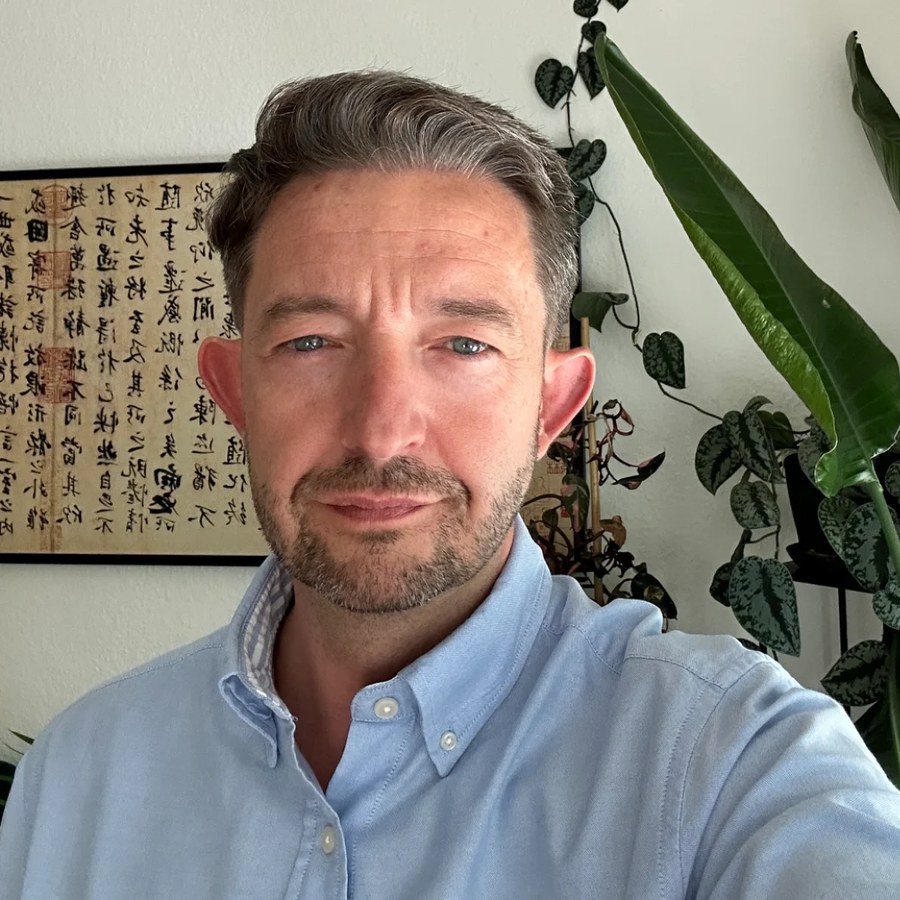
I am Michal Richter, MD. For 25 years I have practiced only acupuncture, 20 to 30 patients a day, in a busy clinic in Poland. I have taught practitioners since 2009, and I teach only what I use on my own patients.
This course is my live webinar for practitioners, with their questions answered on air. The view of the Luo meridians as stages of consciousness comes from the lectures of Jeffrey Yuen; the point combinations come from my own practice.
Luo Points
- 9 video lessons, about 85 minutes, English subtitles
- The slides as a downloadable PDF
- Lifetime access, one payment
One-time payment, lifetime access, all taxes included. 14-day guarantee: if the course does not help you in practice, one email and you get a full refund.
Questions practitioners ask
Is this about emotions?
Partly. Luo points are usually taught as points for emotions. In this course I go one level deeper, to the state of consciousness behind them, and to how it shows in the way a patient lives, acts and relates to people.
Is this a recorded webinar?
Yes. Nine lessons cut from a live webinar, with the slides in English and English subtitles. The English narration is an AI version of my voice over the original Polish.
Will it fit the way I already treat?
Yes. Each combination is two points you can add to the treatment you already give.
Do I need pulse diagnosis?
It helps. The pulse confirms what you see, and many of the patterns in the course you first notice in how the patient talks, acts and lives. The Pulse Diagnosis course teaches the twelve positions from zero.
How long do I have access?
Lifetime. One payment, no subscription.